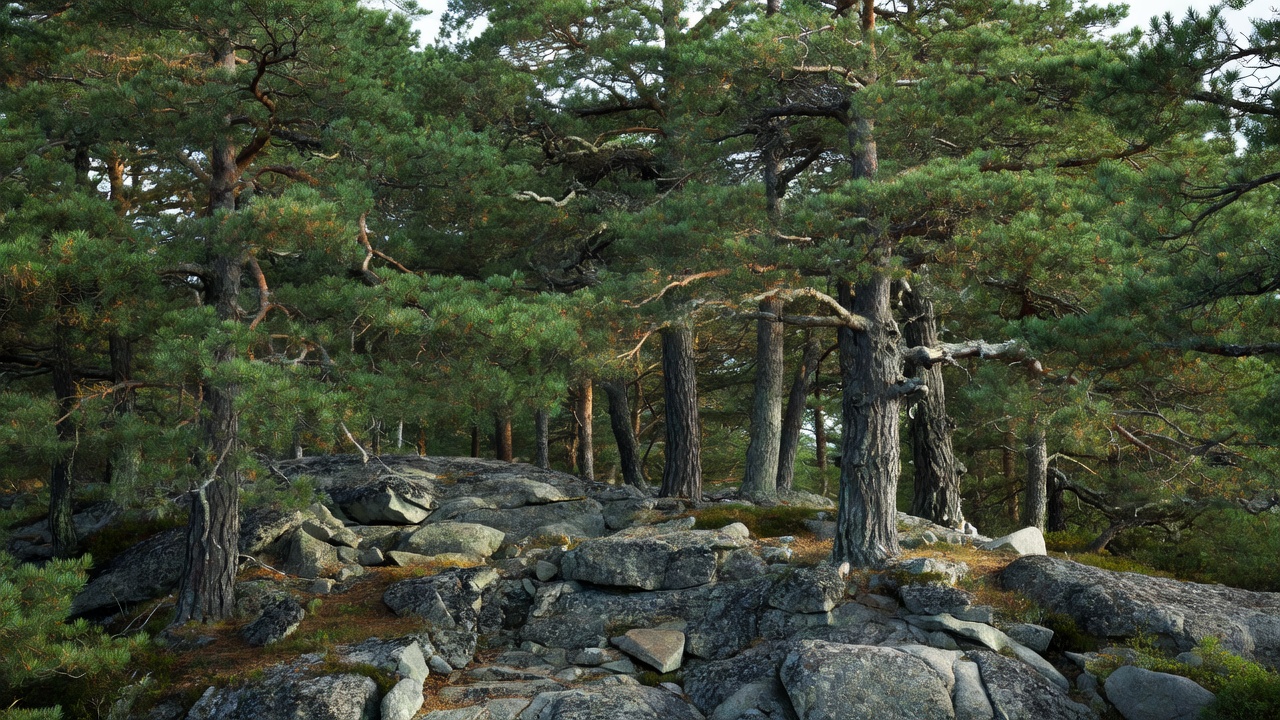
Choose the landscape before the adventure
Outdoor planning in Sweden, Finland, and Norway begins with ground reality: bog saturation, granite outcrops, sheltered freshwater, and legal restrictions that differ sharply across borders.
Read the ground ahead
The Scandinavian and Fennoscandian landscape does not reward impulsive wanderers who mistake scenic photographs for straightforward terrain. Boreal forests conceal extensive peat bogs; calm lake shores can be hemmed by impenetrable boulder fields; and national parks enforce strict zoning codes that supersede general public rights.
Before packing a rucksack or hiring an open canoe, independent travellers must evaluate three core variables: underfoot substrate, seasonal water levels, and conservation boundaries. In Sweden and Finland, the public right of access grants unprecedented freedom to tread lightly on open country, yet this freedom ceases the moment you enter fragile national park reserves like Tyresta or Nuuksio where fire-making and camping are restricted solely to designated shelters.
Find your kind of outing
Select pursuits according to stamina, footing predictability, and navigation complexity rather than seasonal trends.
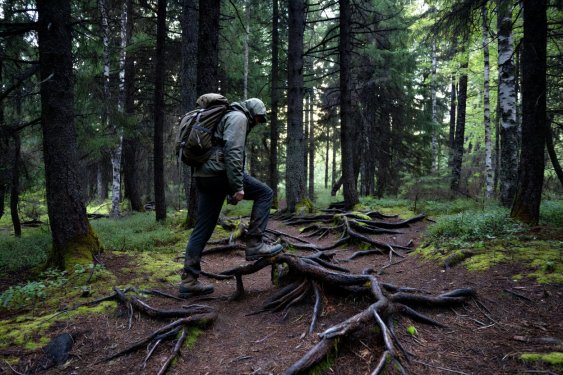
Trail Footing & Bedrock Treks
Navigating weathered granite ridges (hällmarker) and slippery Scots pine roots requires stiff footwear and deliberate cadence.
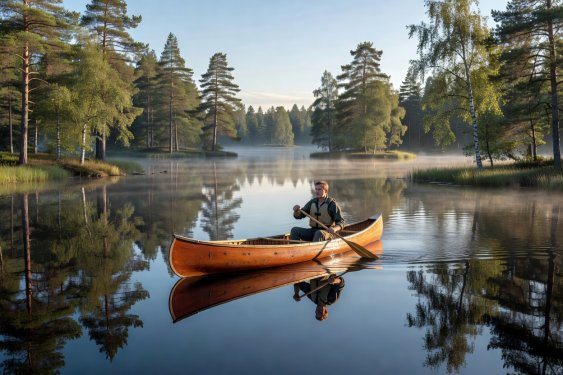
Inland Paddling & Lake Chains
Sheltered waterways like Lake Saimaa and Dalsland Canal demand calm wind forecasting and strict aquatic biosecurity discipline.
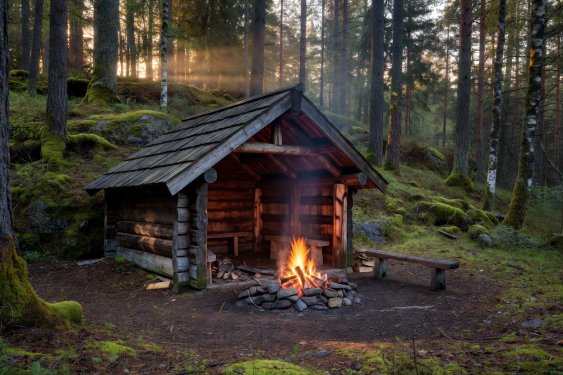
Laavu & Vindskydd Bivouacs
Fixed three-sided shelters provide managed camp nodes, protecting forest floors from uncontrolled tent compression.
Effort & Access Calibration
A ten-kilometre hike across Nordic granite bedrock demands nearly twice the metabolic output of flat woodland walking. Factor in swamp detours and variable daylight hours before setting your daily waypoint targets.
Under the forest canopy
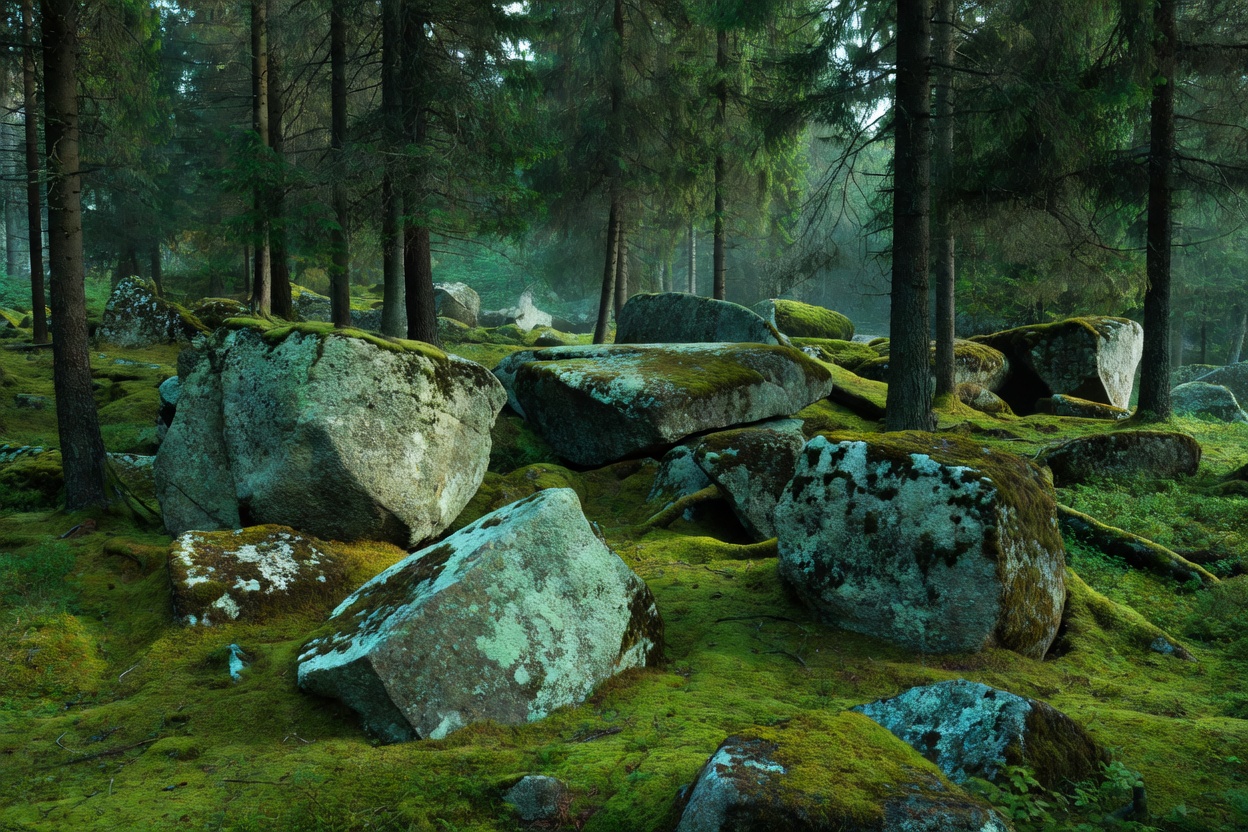
The vast taiga stretching through Sweden and Finland is dominated by Scots pine (Pinus sylvestris) and Norway spruce (Picea abies). Far from being a uniform carpet of needles, this forest floor is an intricate mosaic of peat bogs, dwarf bilberry shrubs, and ancient glacial moraines.
Walking beneath these branches demands an eye for micro-topography. Low-lying depressions frequently retain water well into July, while granite ridges present dry, lichen-carpeted trails that require soft-soled rubber grip.
Along the waterline
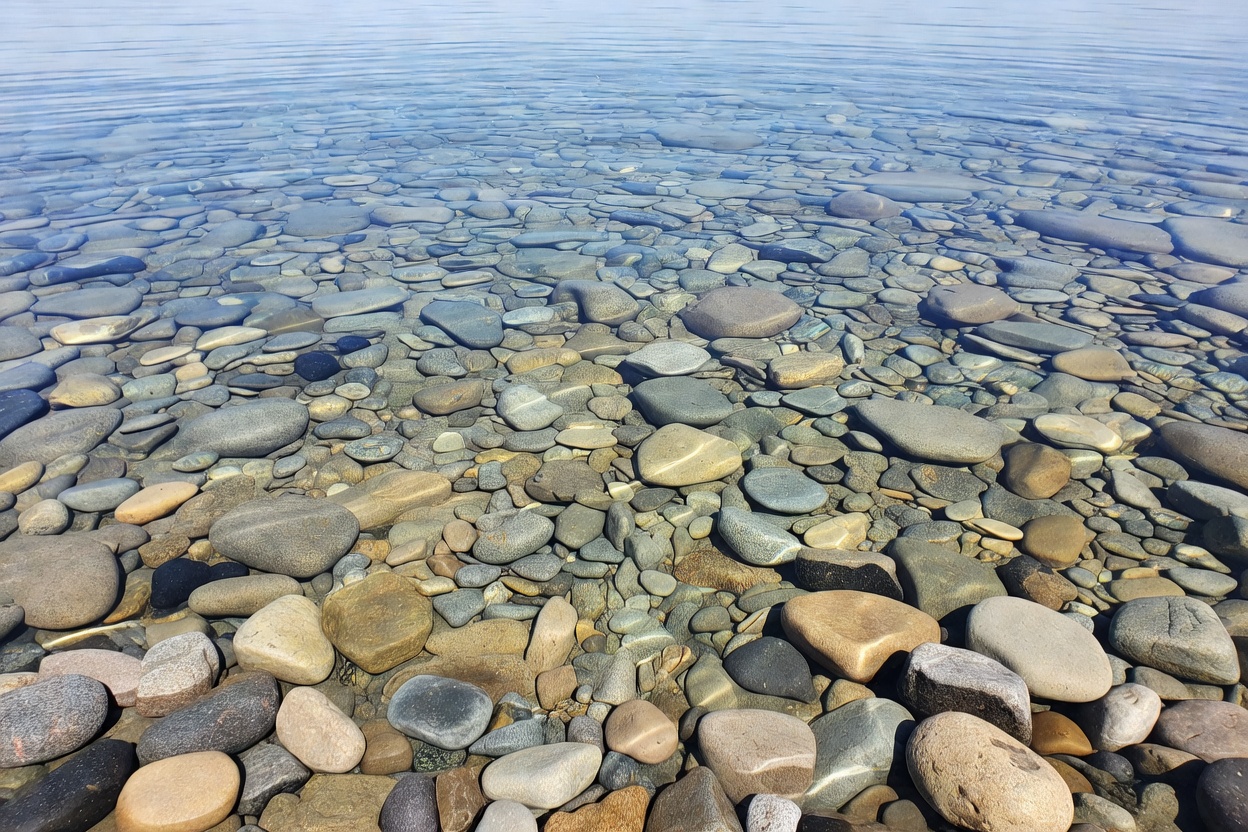
With more than 100,000 lakes in Sweden and over 180,000 in Finland, freshwater defines the Nordic interior. Lake Saimaa's fractured labyrinth of forested peninsulas contrasts with the vast, deep, and often tempestuous trough of Lake Vättern.
Accessing the waterline offers potable water opportunities when boiled, easy shoreline navigation, and sheltered paddling corridors. However, steep boulder ramps can make disembarking hazardous during sudden squalls.
Inside protected landscapes
The common misconception that Nordic countries permit wild camping anywhere at any time collapses inside national park borders.
In sanctuaries such as Nuuksio National Park in Southern Finland or Tyresta National Park south of Stockholm, pristine primeval forest remnants are safeguarded by statutory bylaws (föreskrifter / järjestyssäännöt). Here, pitch-your-tent freedom is revoked; you must camp exclusively at marked locations. Deadwood collection is strictly banned to preserve endangered saproxylic beetles and lichens.
Respect what makes it wild
Sustainable exploration hinges on understanding specific regional bylaws, seasonal bird nesting closures, and forest fire alerts.
Right-to-Roam Boundaries
Sweden's Allemansrätten, Norway's Friluftsloven, and Finland's Jokamiehenoikeus share principles but possess critical local differences.
Fire Bans (Eldningsförbud)
During hot Scandinavian summers, local administrative boards (Länsstyrelsen) declare total fire bans that prohibit all open wood fires.
Direct Inquiries
Draft a terrain assessment inquiry or review how our landscape-first criteria assist self-reliant explorers.